Leading 7 Points To Learn About Brownish Areas
Leading 7 Points To Know About Brownish Areas
While commonly misinterpreted for moles, melasma or various other precancerous coloring, age areas are not a precursor to cancer cells and are not dangerous to your health and wellness. They can, nevertheless, influence an individual's aesthetic appearance especially gradually as the areas start to raise in number and dim. To prevent age places or keep them from intensifying, avoiding prolonged sunlight direct exposure and regularly using a broad-spectrum (UVA and UVB) sunscreen is advised. Wearing UV-blocking apparel and a broad-brimmed hat will give additional defense. Comparable to freckles, age areas can be found in a vast array of dimensions and can show up anywhere on the body. Nevertheless, they are a lot more common in areas that obtain great deals of sunlight exposure, like the hands, face, shoulders, and arms.They typically take place on sun-exposed locations, like the backs of your hands and your face. Age spots are also called liver areas, senile lentigo, solar lentigines, or solar flare. Before seeking any kind of treatment choices for age places, it is essential to acquire a proper medical diagnosis from a skin specialist. Age places can frequently be mistaken for various other skin disease, such as seborrheic keratoses, actinic keratoses, or even skin cancer. A skin specialist can examine the spots and identify one of the most suitable course of action.
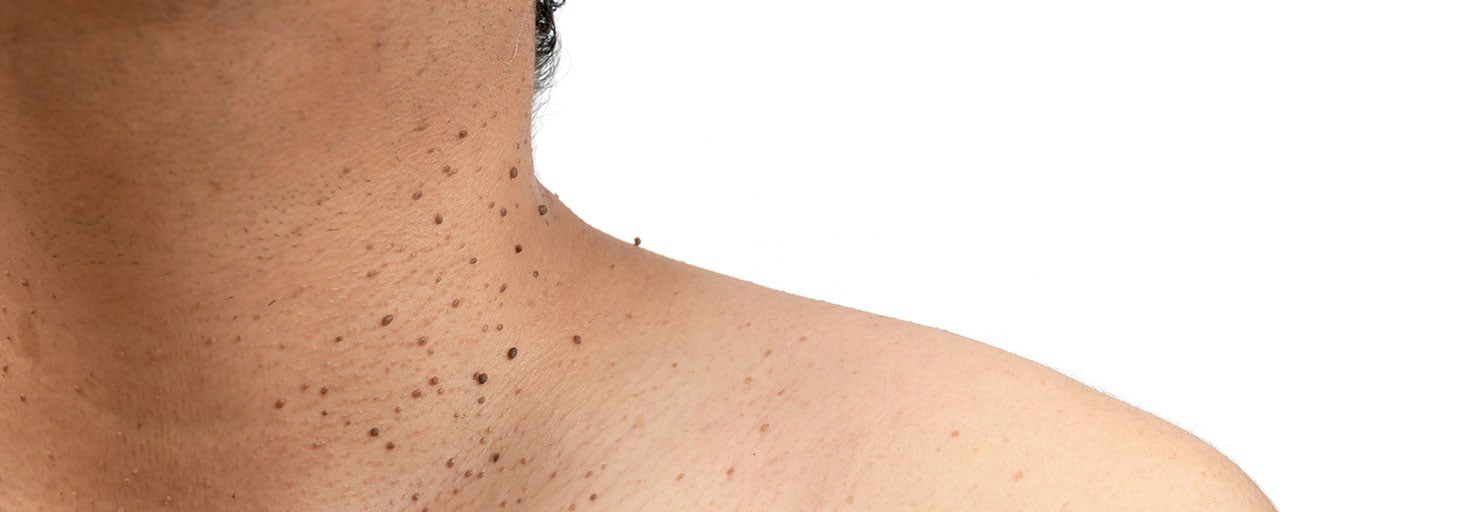
They do not injured, and they don't typically develop into anything hazardous, however they can in some cases resemble skin problem that do require clinical attention. National Library of Medication, age places can be grey, tan, brownish or black and look like flat areas on your skin. They can look like round, oblong or irregularly designed lesions of different sizes. Most people typically experience age places in sun-exposed distribution consisting of on their face, shoulders, back, hands and feet.While it is necessary to use sun block each day, it's essential to put on sunscreen after any kind of skin therapies or procedures. Sun block shields your healing skin from UV damage, yet it Quick Recovery additionally helps avoid age areas from returning. While age spots do not generally show up up until midlife or older, it is possible for a younger person to develop them if they experience excessive sunlight exposure. https://myanimelist.net/profile/plefulgrio Those that frequent tanning beds, for instance, might establish sunspots at a younger age. Nevertheless, these are set apart from face blemishes and freckles based on their texture and abundance of places. These skin discolorations are not hazardous and do not call for therapy given that they are created by solar direct exposure.
Skin Cancer
This melanin can glob together in concentrated locations, producing the noticeable dark places you see. Factors that enhance your threat include reasonable skin, a background of constant sun direct exposure or sunburns, and genetics. Previous skin injuries or trauma can additionally cause coloring modifications in influenced locations. Age places, additionally called liver spots or sunspots, are brought on by years of sun direct exposure. They're most usual in individuals over 50, but more youthful people who spend much time in the sun without protection can also create them. These places vary in dimension and generally appear in locations that obtain one of the most sunlight.
Chemical Peels
- This skin staining can show up in any kind of area of the skin subjected to the sun, many commonly on the hands, arms, shoulders, face and scalp.
- They are additionally sometimes called liver areas, because of the fact that they were when inaccurately thought to be caused by liver malfunction.
- Many people do not develop age spots until age 50 or older due to advancing time invested in the sunlight over many years.
- During a visual assessment, your physician will assess the shade, dimension, and form to determine whether your mark actually is an age area.
- Your doctor is the best person to establish the nature of your sores and whether or not you need extra comprehensive treatment.